

Employment Rights Act
eLearning courses
Evolving law. Constant confidence
Real-world learning for a modern, compliant workplace.
Empower managers, enhance compliance
Equip managers with the skills to effectively lead through a new era of employee rights and drive workplace engagement.
De-risk your operations by enhancing compliance with new legislation.
Turn legislative change into a competitive advantage by creating a more inclusive and high-performing workplace.

What you'll get
Our course gives managers and teams:
Confidence in the new legislation and employee rights
An enhanced culture of professional respect
Skills and knowledge to support during personal and organisational changes
Tools for engaging authentically and managing impactfully


Key topics covered
The New ERA landscape – understanding the latest legislation and employee rights.
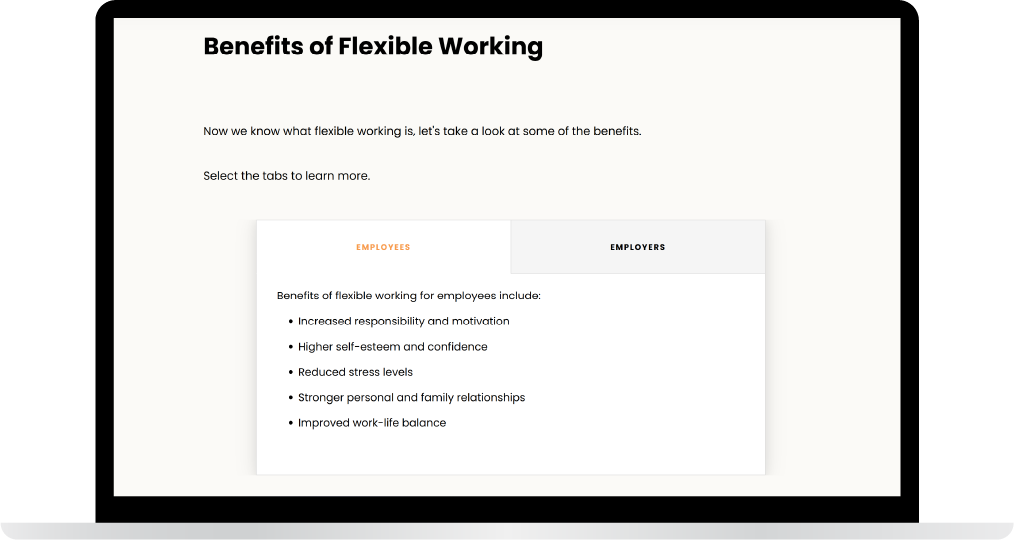
Flexible working & 121s – navigating requests and managing modern work patterns.
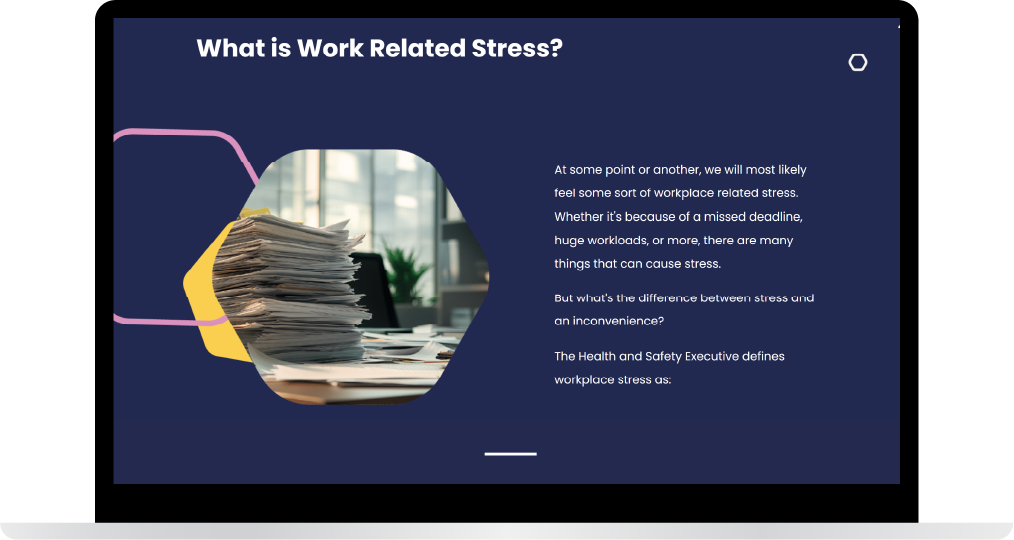
Modern workplace culture – addressing menopause, harassment, and "better banter."
Leading with confidence – managing through change and overcoming imposter syndrome.
Why it works for your organisation
This collection will help you to:
Minimise legal risk – ensure managers and teams are aligned with the latest statutory requirements.
Improve staff retention – cultivate a supportive environment where personal transitions and flexible needs are met.
Build a respectful culture – clear the air on professional boundaries to reduce conflict and boost engagement.
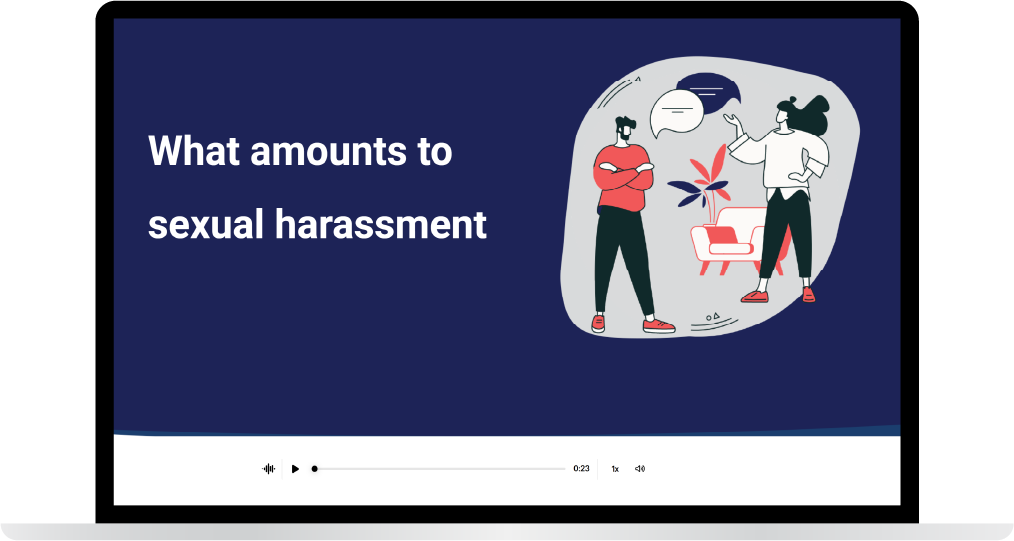
Preventing sexual harassment at work
Help your learners understand their role in preventing workplace sexual harassment, as well as the evolving compliance standards under the Employment Rights Act.
Better banter at work
Clearly define where banter ends and harassment begins, when the law gets involved, what behaviour is protected and how to effectively raise concerns.
Equality, diversity and inclusion
Practical guidance on building respectful, diverse and incusive workplace cultures, enhancing awareness and cultivating positive workplace relationships.

FAQs
How will the Employment Rights Act extend employer sexual harassment duties?
- Higher Standard of Prevention: The duty for employers to prevent sexual harassment will be raised from taking "reasonable steps" to taking "all reasonable steps." This duty will come into effect in October 2026 and will require employers to take a more comprehensive and proactive approach to prevention.
- Third-Party Harassment Liability: Employers will be held liable for sexual harassment committed by third parties (e.g., clients, customers, suppliers) unless they can demonstrate they took "all reasonable steps" to prevent it. (Note: This liability for third-party harassment will apply to all types of harassment, not just sexual harassment.)
- Strengthened Whistleblowing Protection: The Act explicitly includes the disclosure of sexual harassment as a qualifying disclosure under whistleblowing legislation, protecting employees who report it from retaliation (such as dismissal or detriments).
- Ban on Confidentiality Clauses: The Act aims to void provisions in settlement or non-disclosure agreements that prevent workers from making allegations or disclosures about certain types of discrimination and harassment.
How often should anti-harassment, EDI, and banter training be delivered?
The case of Allay (UK) Ltd v Mr S Gehlen demonstrated that providing one-off or infrequent training is insufficient. In this instance, the tribunal rejected the employer's defence against a racial harassment claim because the anti-harassment training was deemed “stale” and ineffective, having “faded from people’s memories.”
To rely on the defence of taking “all reasonable steps” to prevent harassment, employers must be able to show that their training and policies are current, effective, and regularly refreshed. Training should be treated as an ongoing process, not a one-off, "tick-box exercise."
Is workplace banter a legal issue?
Yes. Even seemingly harmless banter can amount to harassment if it creates a hostile, intimidating, or offensive environment. Under the Equality Act 2010, harassment related to protected characteristics (e.g., sex, race, disability) is unlawful, regardless of intent.